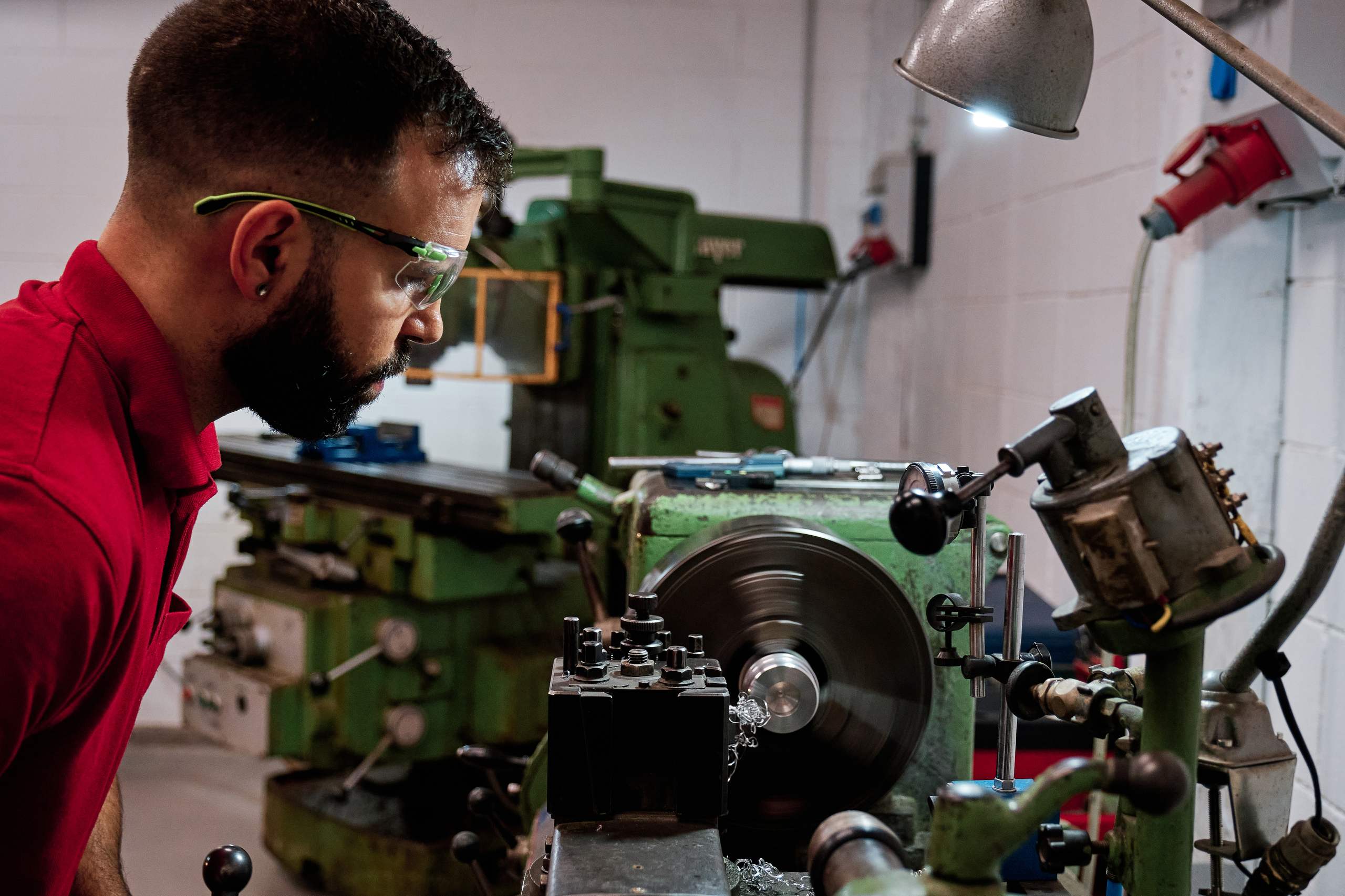
Computer Numerical Control, or CNC, has revolutionized the way today’s machine tools work. By pairing mechanical equipment with digital control systems, CNC machines can execute a variety of machining operations with a great degree of repeatability and accuracy.
What Is a CNC Machine?
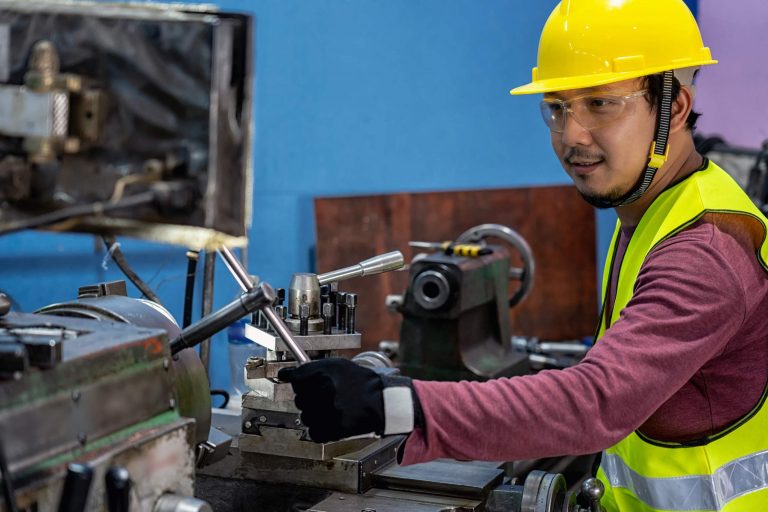
A CNC machine is essentially a machine tool that is operated by means of a program. Rather than an operator physically manipulating the machine, the machine is directed by a program that tells the machine what motions to make, at what speeds and feeds, and what other characteristics to apply during the machining operation.
A CNC machine might be a:
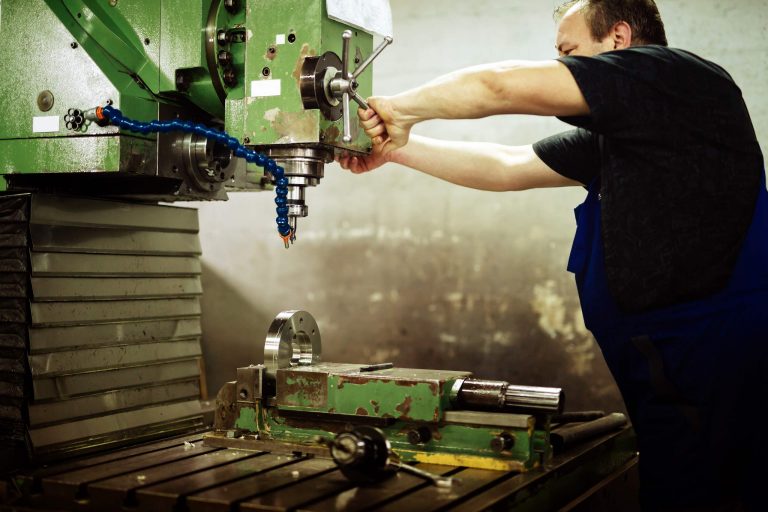
- Milling machine
- Lathe
- Machining center
- Grinding machine
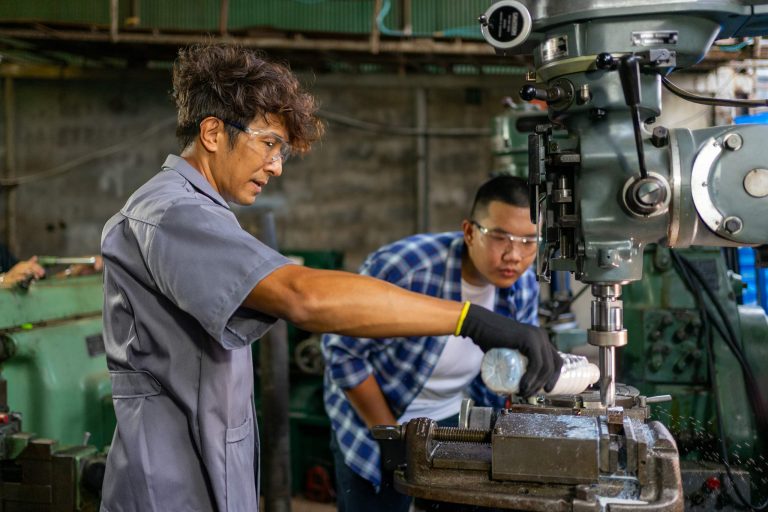
- Drilling machine
The type of machine tool used depends on the application and the required level of precision.
How Does CNC Control Work?
A CNC machine tool typically consists of several key elements:
- A controller that reads the program and issues commands to the machine.
- Motors that move the machine in specific directions.
- Sensors or feedback devices that measure the position of the machine.
Together, these elements allow the machine to convert digital instructions into real-world actions.
The Importance of Accuracy
One of the key benefits of CNC machining is its ability to consistently produce parts within specific tolerances. If a machine is set up correctly, it should be able to produce thousands of identical parts with only minor variations.
That being said, achieving this kind of accuracy isn’t just a matter of having a good controller. Factors like the rigidity of the machine, the condition of the spindle, the state of the cutting tool, thermal effects, vibration, and the accuracy of measuring instruments also have a significant impact on the quality of the finished product.
Therefore, building a CNC machine is a complex endeavor that requires expertise in both mechanical engineering and control systems.
The Function of Cutting Tools
Another critical component of the machining process is the cutting tool. Depending on the material being machined and the type of operation being performed, various cutting conditions and tool types may be required.
When selecting a cutting tool and setting up the machining parameters, an engineer or machinist needs to take into account:
- Cutting speed
- Feed rate
- Depth of cut
- Geometry of the cutting tool
- Material of the workpiece
- Wear of the cutting tool
Setting the wrong parameters could result in a substandard finish, accelerated tool wear, vibration, or even tool breakage.
From Hand-Operated Machines to Automated Production
CNC technology is now also playing a larger role in automation. It is now common to find CNC machines integrated with robots, automatic tool changers, gauging equipment, and manufacturing execution systems.
This means that it’s possible to build highly automated production lines where machines can be set up to carry out multiple operations with little human involvement.
Looking ahead, we can expect to see more sophisticated manufacturing systems that incorporate sensors, data analytics, and automation to monitor the condition of machines and optimize production processes.
What Aspiring Engineers Should Learn
To truly understand how CNC machines function, it’s not enough to simply know how to operate one. Aspiring engineers need to learn about the design of the machine, the principles of cutting, the operation of control systems, the characteristics of cutting tools, the sources of inaccuracies, and the needs of the manufacturing industry.
The machine will follow the program, but it takes engineering knowledge to ensure the program will achieve the desired result.
Conclusion
CNC machines are a marriage of mechanical engineering and digital technology. With manufacturing becoming ever more automated, understanding CNC will be a valuable skill for engineers working with machine tools in the years to come.
At ToolCrest, our goal is to help you understand the underlying engineering concepts behind this technology, so you’re prepared for the increasingly digital world of manufacturing.