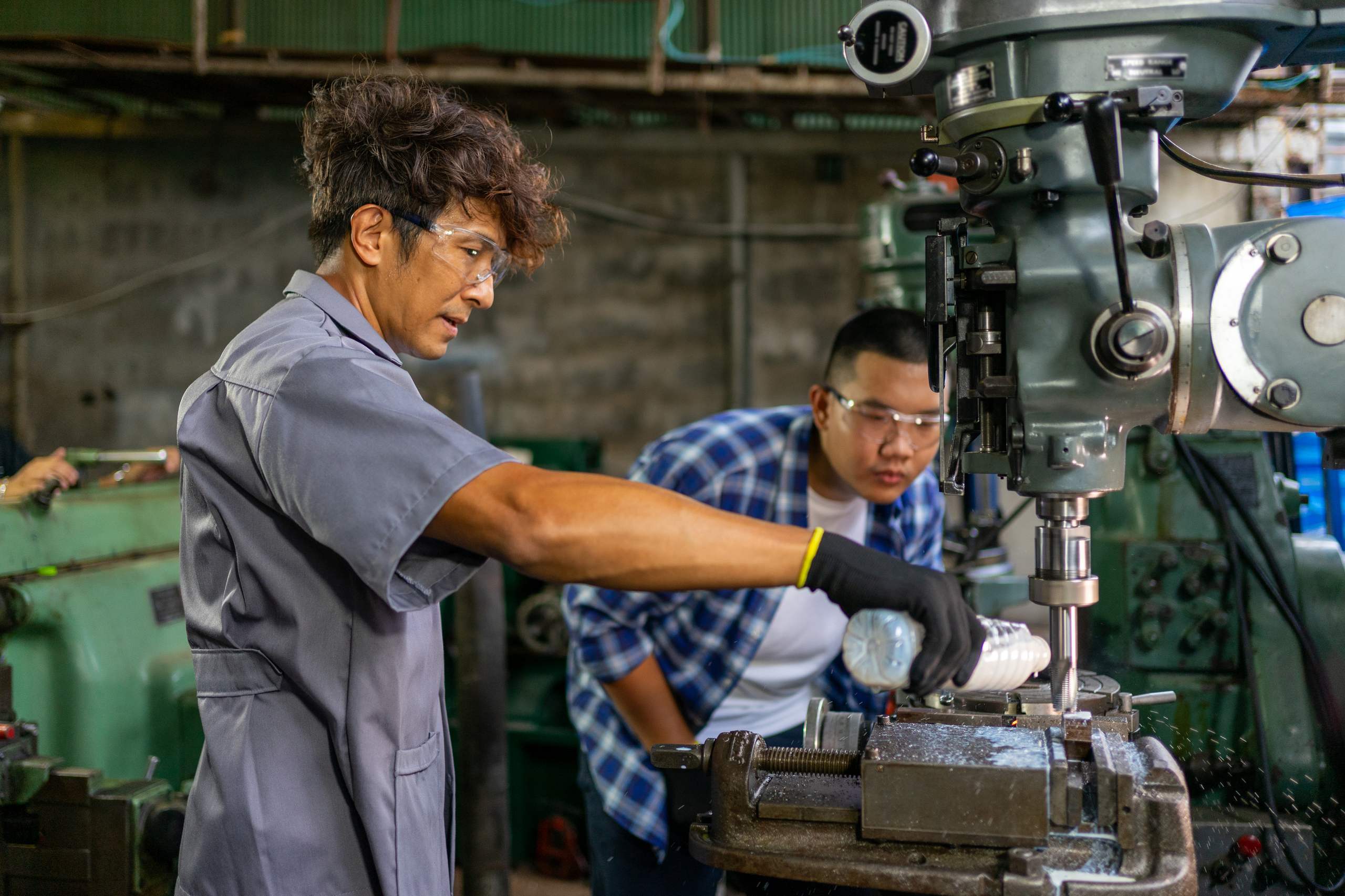
When considering a machine tool, the frame, spindle, and control system are usually given priority. Yet, the cutting tool is the only element that directly works against the workpiece, and its type, properties, and state affect the result significantly.
Why Is Cutting Tool Selection Important?
During machining, a cutting tool must fulfill several requirements:
- Remove the required amount of material
- Maintain the specified accuracy and surface finish
- Withstand the mechanical, thermal and tribological loads of the process
An inappropriate cutting tool results in faster wear, worse surface finish, longer machining times, or even damage to the workpiece. This is why tool selection is a crucial aspect of machining engineering.
Types of Cutting Tools
There are various types of cutting tools, each suited to specific machining tasks:
Turning Tools
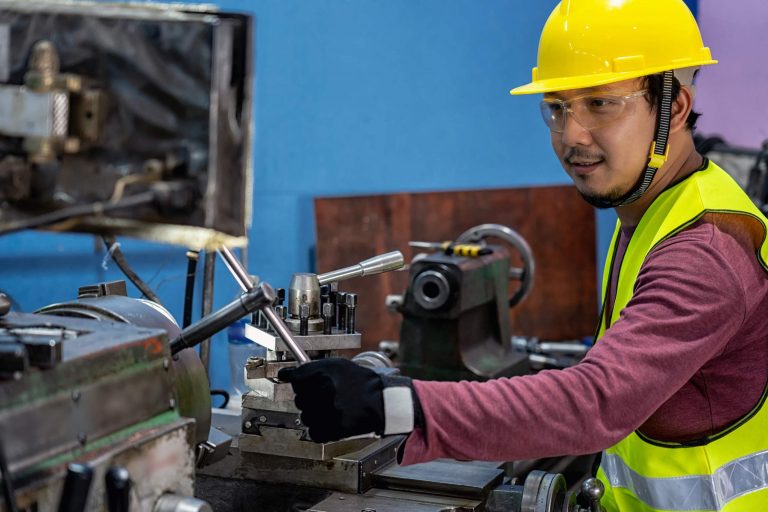
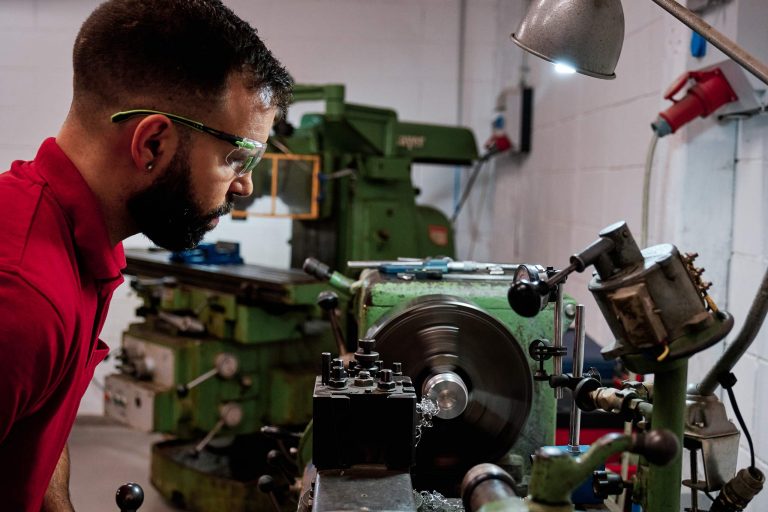
Turning tools are mounted on a lathe and are used to machine a rotating workpiece. They can perform facing, turning, boring, grooving, and threading operations.
Milling Cutters
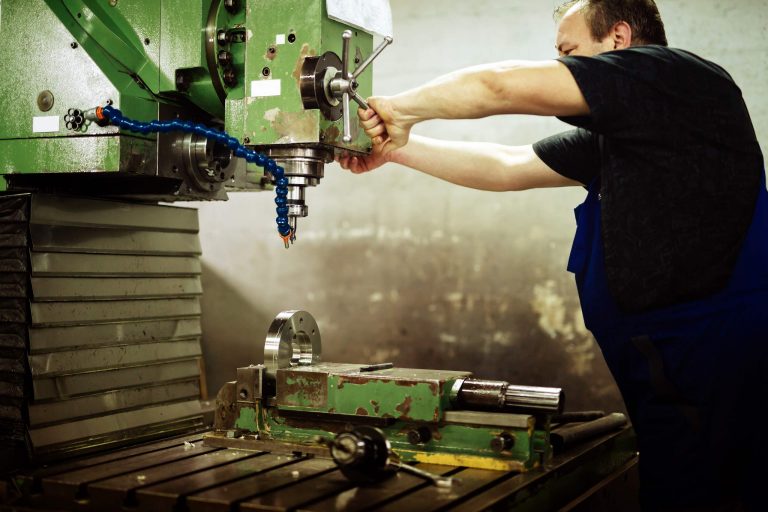
Milling cutters are used on milling machines, which are characterized by a rotating spindle. Depending on their shape and number of teeth, they can perform different tasks like roughing, finishing, slotting, etc.
Drills
Drills are used to drill holes in workpieces. Their design and properties depend on the material, hole diameter, depth, and required quality of the machined surface.
Material Used for Cutting Tools
Depending on the application, cutting tools are made of various materials:
- High-speed steel – offers a good combination of hardness and toughness; widely used in machining operations
- Carbide – extremely hard and able to operate at high cutting speeds
- Other advanced tool materials – can provide higher wear resistance for difficult-to-machine materials
Tool material selection depends on the material being machined, the intended use, production volume, and the required tool life.
Machining Parameters
Machining conditions play a significant role in the performance and life of a cutting tool. Three main parameters influence tool wear:
- Cutting speed
- Feed rate
- Depth of cut
If the cutting speed is too high, the tool heats up excessively and wears out faster. If the feed rate is unsuitable for the operation, it may affect productivity and the quality of the surface finish. Thus, the engineer has to select the right combination of parameters to optimize productivity, tool life, and quality.
How Do We Detect Tool Wear?
Over time, every cutting tool loses its sharpness. During machining, the cutting edge is subjected to friction, heat, mechanical stress, and contact with the workpiece material, all of which cause the tool to wear.
Signs of tool wear include:
- Deterioration of surface quality
- Increased cutting forces
- Increase of temperature
- Loss of dimensional accuracy
- Physical damage to the cutting edge
By observing these changes, the operator or engineer can decide whether to replace the tool or adjust the process parameters.
Why Is Tool Geometry Important?
The geometry of a cutting tool, including rake angle, clearance angle, and cutting edge shape, affects the way the tool cuts. These design parameters influence cutting forces, chip formation, tool life, and surface quality. Therefore, a cutting tool is not just a piece of metal with a sharp edge, but a specialized product designed for specific machining conditions.
Optimizing Tool Usage
With the advent of CNC manufacturing, intelligent tooling systems are increasingly being integrated into the manufacturing process. Modern sensor systems can monitor machining parameters and alert operators when abnormal conditions occur.
In more sophisticated applications, the data obtained from machining can be used to predict tool wear and schedule tool changes, reducing unplanned downtime and increasing consistency in production.
What Does the Future Hold for Cutting Tools?
As machining technology advances, the development of new tool materials, coatings, and geometries continues. Moreover, monitoring and predictive maintenance systems will play an even larger role in optimizing tool usage.
For future machine designers and engineers, understanding cutting tools is crucial because the machine and the cutting tool operate as a single system. Any change in one will inevitably affect the other.
Conclusion
A machine tool creates the necessary movements for cutting, but it is the cutting tool that actually removes the material. Therefore, understanding both the tool and the machine is key to achieving optimal machining results.