The spindle is one of the most crucial parts of a machine tool. It transmits rotational movement to the cutting tool or workpiece, and has a significant effect on the speed, precision, stability and surface quality of machining.
What Is a Machine Tool Spindle?
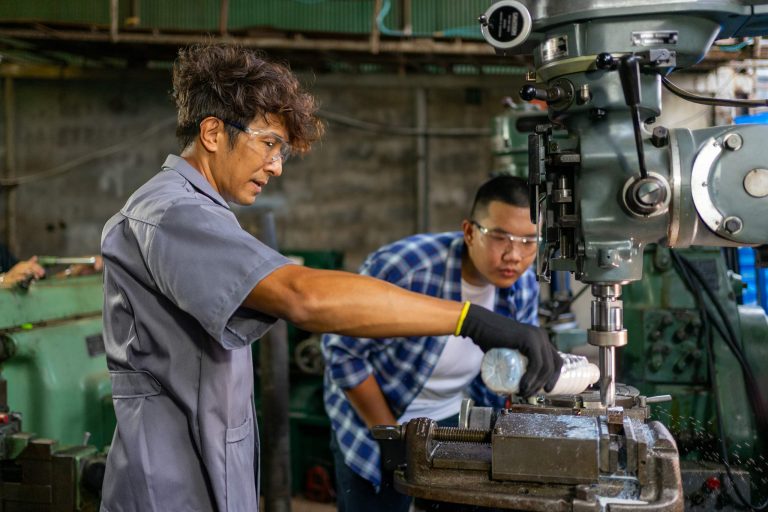
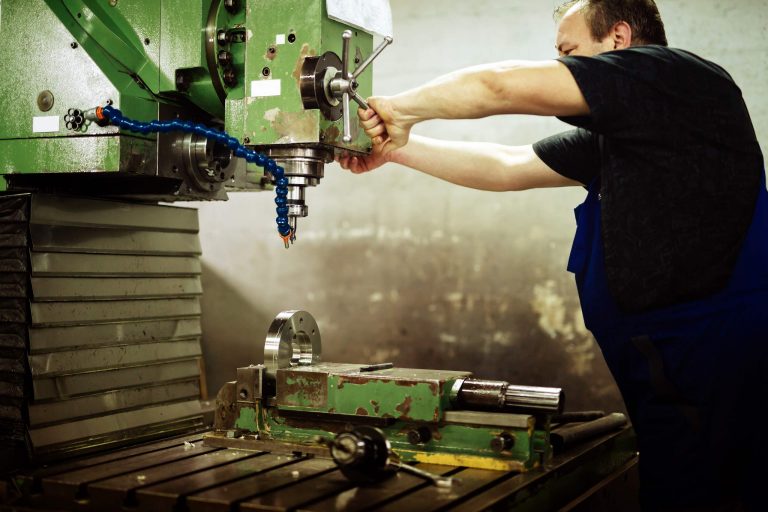
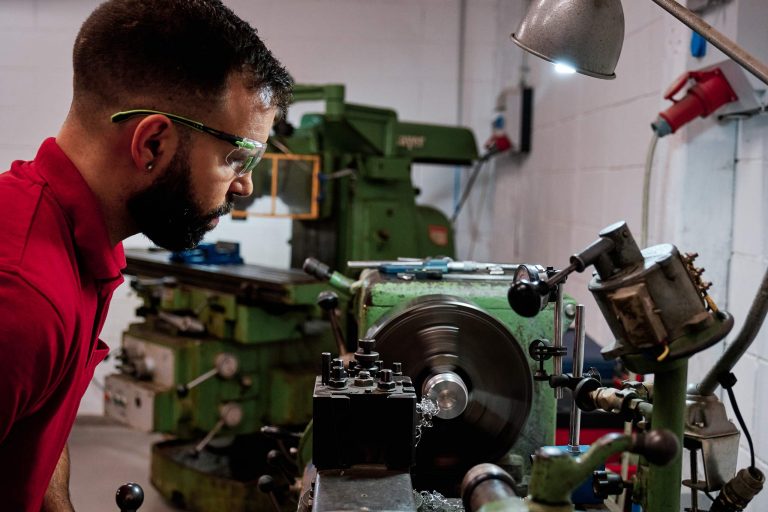
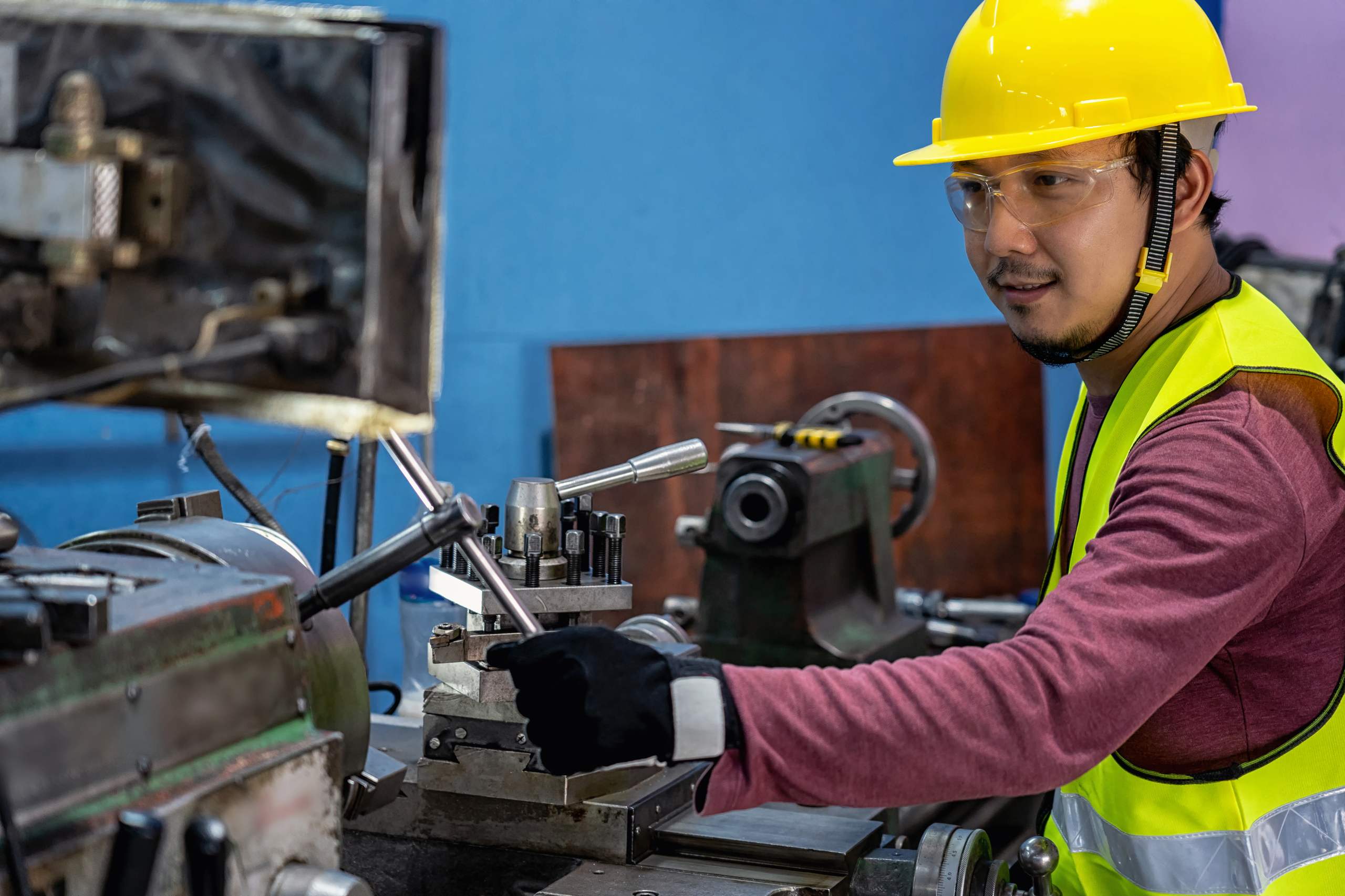
A spindle is a rotating mechanical device used to hold and drive a tool or workpiece. In some machines, such as milling machines, the spindle rotates the tool, whereas in other machines, like lathes, the spindle rotates the workpiece.
While the general function of a spindle appears straightforward, it must operate in very challenging conditions. For example, a spindle might have to rotate rapidly while still being able to stay in place accurately and resist cutting forces.
Important Features of Spindles
There are several characteristics that contribute to the effectiveness of a spindle.
Speed
The speed of the spindle determines how fast the cutting tool or workpiece spins. Higher spindle speeds are suitable for faster machining of certain materials and operations, but higher speeds also require better bearings, balancing, cooling and lubrication.
Stiffness
The spindle must be stiff enough to withstand cutting forces. If it is too flexible, it will cause vibrations, tool deflection and poor surface quality.
Precision
The precision of the spindle’s rotation and positioning has a direct impact on the accuracy of the finished part. Small errors in spindle runout will show up on the final product.
Thermal Stability
High speeds and cutting create heat, which causes the spindle and other machine parts to expand. This expansion can affect the accuracy of machining.
To help manage this, many advanced spindle designs include cooling and temperature control.
Spindle Bearings
Spindle bearings support the rotating spindle and allow it to move freely. They need to handle high speeds, loads and temperatures while keeping vibration low.
The type and layout of the bearings can greatly affect spindle performance and lifespan.
Some modern machine tools use special high-precision bearings made specifically for high-speed, high-accuracy applications.
Spindle Drives
The spindle drive is responsible for providing the power needed to turn the spindle. This might be done by a motor directly attached to the spindle, or through a belt or gear system.
In CNC machines, the spindle speed can be controlled electronically, allowing the machine to adjust speed and feed rate based on the tool and material being used.
This means that the spindle’s mechanical performance is controlled by the machine’s computerized controls.
Cooling and Lubrication
Controlling heat is crucial to the life and performance of a spindle. Lubrication helps reduce friction in bearings and other moving parts, and cooling systems can be used to remove excess heat.
If a spindle gets too hot, it can wear out faster and produce less accurate parts.
The Importance of Spindle Design
Spindle design affects not only the speed at which a spindle can spin, but also cutting stability, tool life, surface finish, part accuracy and overall machine efficiency.
A larger spindle is not always the best spindle. It is necessary to select a spindle that fits the specific machining application. A high-speed finishing spindle will require different specifications from a roughing spindle.
Advancements in Spindle Technology
The latest spindles are being developed to run faster, stay cooler, run more precisely and monitor their own health.
New sensors can monitor temperature, vibration and other operating conditions to detect any issues before they lead to machine failure.
As machine tools continue to become more automated, spindle technology will become even more integrated with digital monitoring and smart manufacturing.
In Conclusion
The spindle may seem like just another part of the machine, but it plays a role in nearly every aspect of machining. A knowledge of spindle design is therefore fundamental for those learning about machine tool engineering and modern manufacturing.
At ToolCrest, we take a look at the mechanics behind precision machining, and the spindle is a perfect example of how engineering choices can influence a machine’s capabilities.